

Visual explanationFree resource
Visual medical education by Armando Hasudungan
Medical science, drawn into focus.
Explore visual explanations that reveal how the facts, processes and clinical patterns fit together—then discover the coming AH study platform, built to guide what you study next and check what stuck.
Connected studyComing soon
Clear visual explanations used by medical and allied-health learners around the world.
Explore the free library
Start with the topic in front of you.
Browse by subject or jump straight into the explanation you need. No account required.
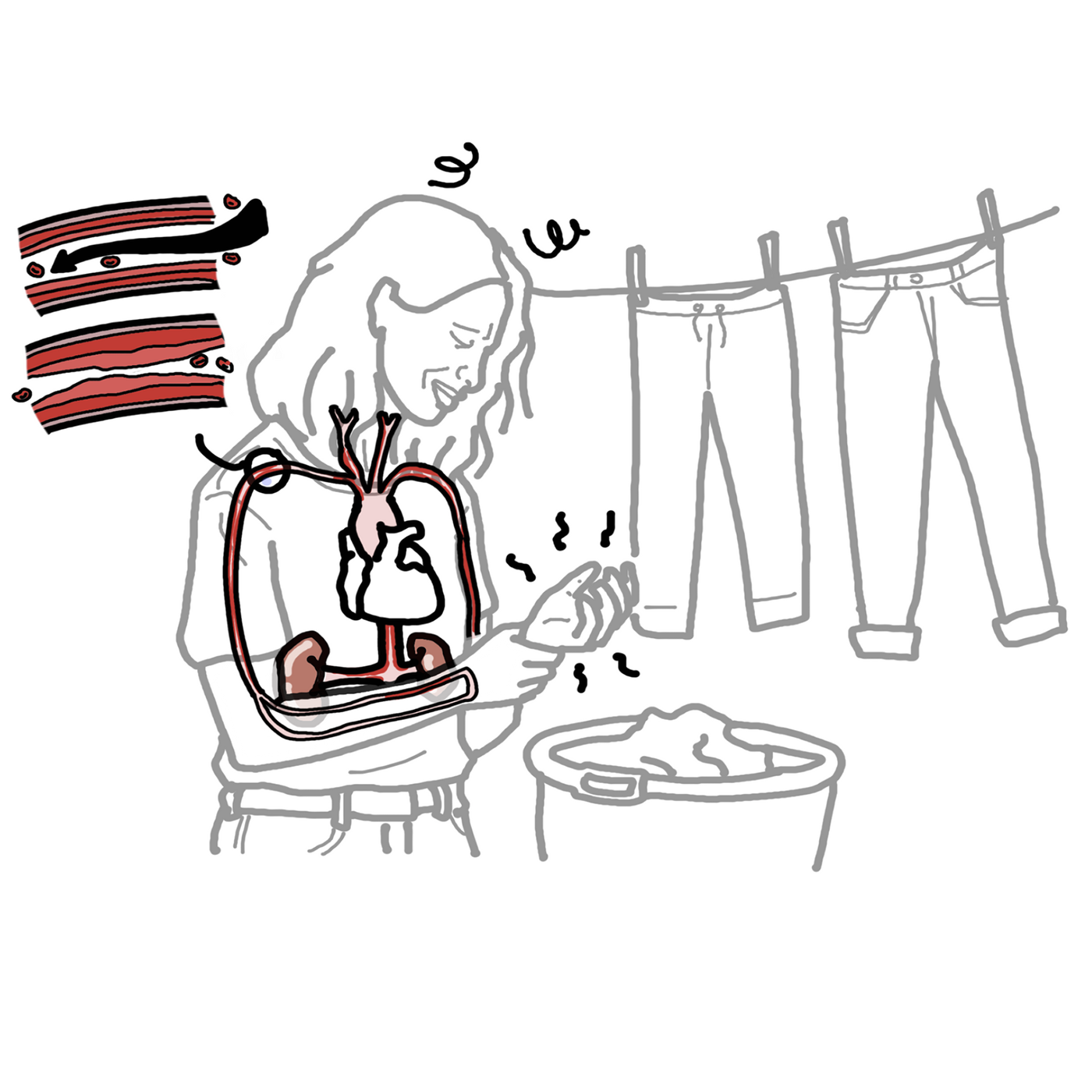
Takayasu Arteritis
Overview Takayasu arteritis is a rare, chronic large-vessel vasculitis primarily affecting the aorta and its major branches, leading to stenosis, occlusion, or aneurysm formation. It most commonly affects young women (<40 years), particularly of Asian descent. The global incidence is estimated at 1–2 per million per year, with a female predominance (F:M ~9:1). It is…
View topic ↗
Chronic Exertional Compartment Syndrome (Exercise-induced Compartment Syndrome)
Overview Chronic compartment syndrome (also known as chronic exertional compartment syndrome or exercise induced compartment syndrome) is an exertional condition in which repetitive activity causes transiently elevated pressure within a closed myofascial compartment, leading to ischemic pain, tightness, and sometimes neurologic symptoms that predictably begin with exercise and abate with rest. It most often affects…
View topic ↗
Rheumatoid Arthritis-Associated Interstitial Lung Disease (RA-ILD)
Overview Rheumatoid arthritis-associated interstitial lung disease (RA-ILD) is a serious extra-articular manifestation of RA, affecting up to 10% of RA patients clinically, though subclinical involvement may be present in up to 60% on HRCT. It typically presents in the 5th–6th decade, with a male predominance and is a leading cause of RA-related mortality. The most…
View topic ↗
Gastroenteritis (Infectious Diarrhoea)
Overview Gastroenteritis continues to cause significant morbidity in developed and developing countries. The most common cause are viral and bacterial including: Norovirus Enteric adenoviruses E-coli Salmonella spp. and Shigella spp. Campylobater jejuni Diarrhoea: Loose, water like stools that occur with increased frequency and an increased volume of >200g per day Gastroenteritis: >3 or more loose…
View topic ↗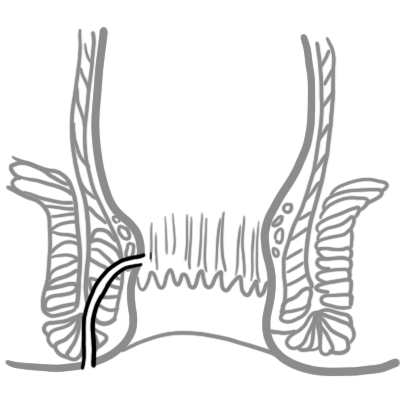
Fistula-In-Ano
Overview Fistula-In-Ano, also referred to as “Anorectal fistula”, is an abnormal tunnel between the anal canal (hollow viscus) and the surface of the body. Over 90% are attributed to prior anorectal abscess. It may occur in the presence of Crohn’s Disease and has an association with obesity and diabetes. Patients experience intermittent rectal pain,…
View topic ↗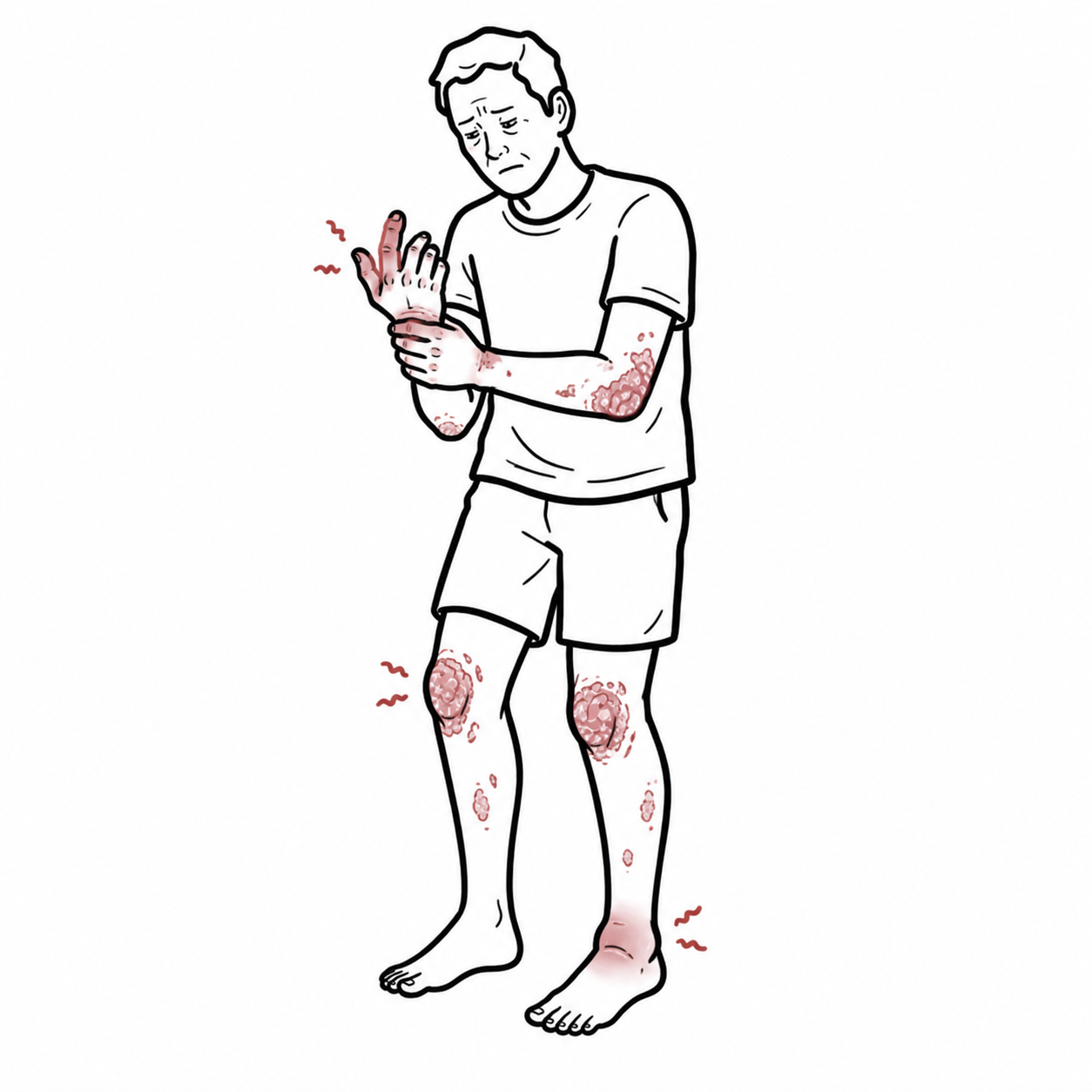
Psoriatic Arthritis
Overview Psoriatic arthritis (PsA) is a chronic, immune-mediated inflammatory arthritis associated with psoriasis, affecting up to 30% of patients with skin psoriasis. It commonly presents in adults aged 30–50 years, with equal gender distribution. The disease is highly variable, involving peripheral joints, axial skeleton, entheses, and skin/nails. Delay in diagnosis is common and can result…
View topic ↗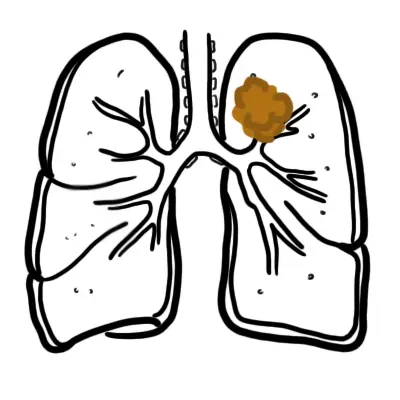
Lung Cancer
Overview Lung cancer is a malignant tumour arising from cells within the lungs or bronchi. Two main groups: Non-small cell lung cancer (NSCLC): approximately 85% Adenocarcinoma Squamous cell carcinoma Large-cell carcinoma Small cell lung cancer (SCLC): approximately 15% More aggressive, with early nodal and distant metastasis . Lung cancer is the leading cause of cancer…
View topic ↗Full resource library
Browse all topics ↗Choose how you learn
One idea. More than one way to see it.
Use the format that helps the topic click, then switch formats when you need to reinforce it.
01 / WATCH02 / READ03 / SEE04 / CHECK
Videos
Hand-drawn explanations that build the big picture as the concept unfolds.
Notes
Clear written explanations for review, reference and filling in the details.
Diagrams
Visual snapshots that help you easily review topics.
Questions
Test whether the explanation stayed with you—not just whether it looked familiar.
Good places to begin
Explanations learners return to.
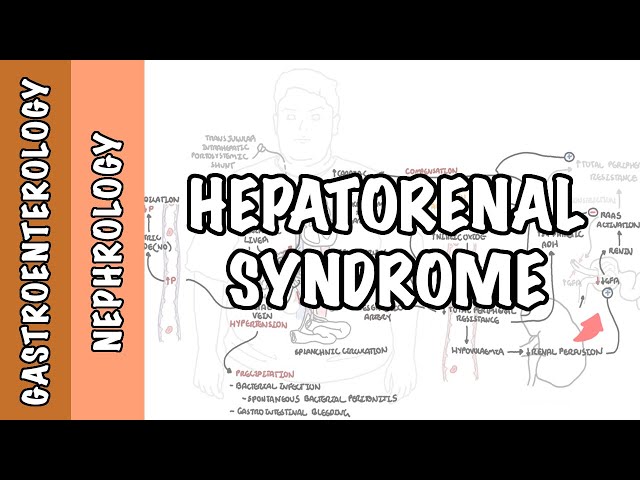
Hepatorenal Syndrome – causes, pathophysiology and mechanism
Learn about hepatorenal syndrome, a serious complication of advanced liver disease that leads to progressive kidney dysfunction. This video explains the underlying causes, pathophysiology, and mechanisms involving renal vasoconstriction and impaired perfusion despite structurally normal kidneys.

Human Metabolism Map I – Glycolysis
Master the essentials of Glycolysis with this video from the Human Metabolism Map series, covering each step from glucose to pyruvate. Learn key enzymes, energy yield, and regulatory points—perfect for biochemistry exams and clinical foundations.

The Nucleus of the Cell
Discover the nucleus—the cell’s control center that stores DNA and directs gene expression, replication, and ribosome production. In this clear, engaging explainer, you’ll learn how the nucleus’ structure—nuclear envelope, nuclear pores, nucleoplasm, chromatin, and nucleolus—enables precise regulation of cellular functions and the life cycle. This video breaks down key concepts: how the double-membrane nuclear envelope…
Our mission
Medical science is complex. Understanding it should feel possible.
Armando Hasudungan turns difficult medical science into clear visual explanations and connected learning experiences—so learners can see the whole picture, remember what matters and find a clearer way forward.
See it clearly
Turn abstract processes and invisible relationships into something the learner can picture.
Connect the pieces
Build understanding around how concepts fit together—not a pile of isolated facts.
Make it useful
Help learners move from explanation to recall, revision and the next logical step.
What clarity feels like
When the topic stops being a blur.
Learners do not come back because the subject became easy. They come back because the explanation gave them a picture they could work with.
“Armando's teaching style gives me the foundational knowledge.
Jessica Payne-Burnett
Medical Student, Charles Sturt University
“The notes I make during his videos help me retain everything better.
Ayesha RaiStudent, Islamabad Medical and Dental College
“The drawings are amazing and super easy to remember.
Reem Mohamed Khair Abdalrazig
Student, Neelain University
Coming soon: the AH study platform
The explanation is only the start.
The free library helps you find a clear explanation. The AH platform is being built to help you connect the resources, follow a clearer path and check what actually stuck.
- Watch in a focused, ad-free study environment.
- Move between connected videos, notes, diagrams and questions.
- Know what belongs next instead of rebuilding the study path yourself.
- Test your understanding while the topic is still fresh.
New and worth a look
Keep building the picture.
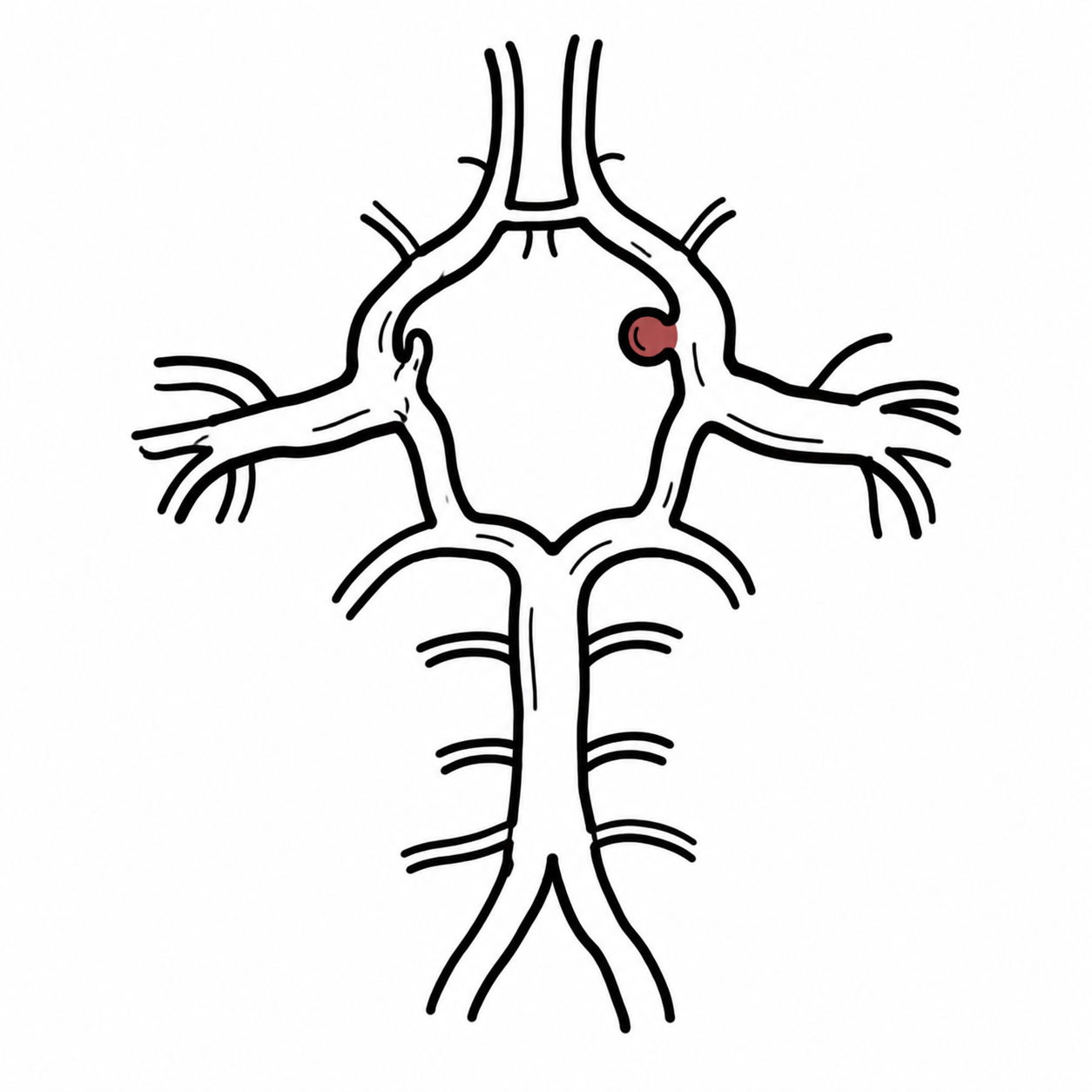
Cerebral Aneurysm
Overview Cerebral (Intracranial) aneurysm is a focal dilation of an intracranial artery due to weakness of the arterial wall. It occurs in roughly 1-5% of adults and can lead to permanent disability. The most common type is a saccular “berry” aneurysm. Most common location is anterior communicating artery. Cerebral aneurysms are typically asymptomatic until rupture,…
View this topic ↗About Visualising Medicine
Good education does not remove complexity. It makes complexity feel simple.
Visualising Medicine is the team behind Armando Hasudungan. We bring together medicine, illustration, writing and technology to make difficult ideas clearer—and build better ways for learners to use them.